
Curated Placemaking
Whiteville, North Carolina
A companion field note · portraits & short biographies
Four Men at the Circle
Washington · Jefferson · Madison · Pinckney
Four streets meet at the courthouse: Washington, Jefferson, Madison, Pinckney.
They are not a chorus singing one tune. They represent competing instincts in the early republic—how power should be held, how close government should remain to ordinary life, how commerce and land shape public duty, how liberty survives conflict.
We can name what is true without forcing agreement: these men were brilliant and limited, nation-building and self-interested, principled and compromised. The point of remembering them together is not to sanctify them, but to notice that a civic center can hold disagreement without collapsing—and that we still live inside many of the same questions.
They are not a chorus singing one tune. They represent competing instincts in the early republic—how power should be held, how close government should remain to ordinary life, how commerce and land shape public duty, how liberty survives conflict.
We can name what is true without forcing agreement: these men were brilliant and limited, nation-building and self-interested, principled and compromised. The point of remembering them together is not to sanctify them, but to notice that a civic center can hold disagreement without collapsing—and that we still live inside many of the same questions.
Back to the walk: The Courthouse Circle
Portraits & notes
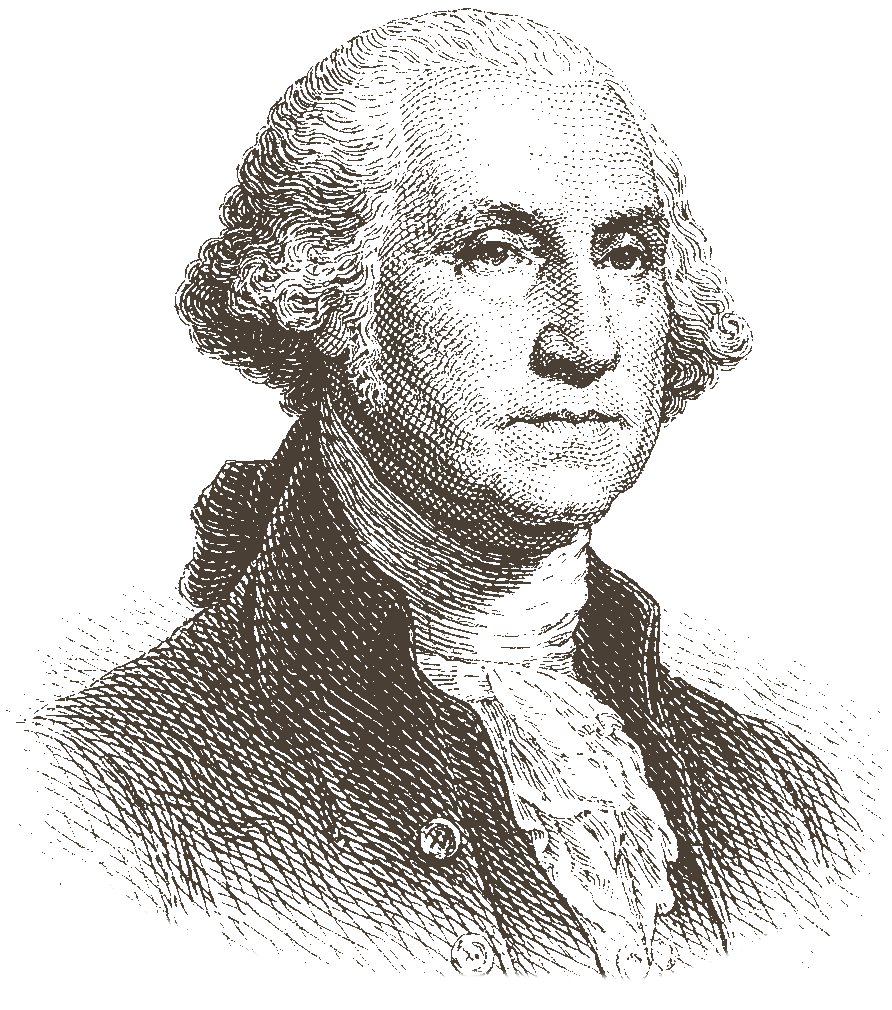
George Washington
1732–1799
Washington is often remembered as inevitability—yet much of what made him durable was restraint. He was a soldier who understood the costs of force,
a leader wary of faction, and a public figure who tried to make legitimacy feel ordinary: institutions, habits, procedure, continuity.
As President, he helped set the tone for executive authority without monarchy—showing that power could be strong without being theatrical. He leaned toward a stable national government and public credit, and his administration became the ground where Federalist and Democratic-Republican arguments sharpened.
He was also a man of his place and era, including the deep moral contradiction of slavery. That fact doesn’t erase his role; it changes how we hold it. Washington’s presence in the courthouse circle can be read as a civic wish: steady center, durable union, the long patience of building something that outlasts one generation.
As President, he helped set the tone for executive authority without monarchy—showing that power could be strong without being theatrical. He leaned toward a stable national government and public credit, and his administration became the ground where Federalist and Democratic-Republican arguments sharpened.
He was also a man of his place and era, including the deep moral contradiction of slavery. That fact doesn’t erase his role; it changes how we hold it. Washington’s presence in the courthouse circle can be read as a civic wish: steady center, durable union, the long patience of building something that outlasts one generation.
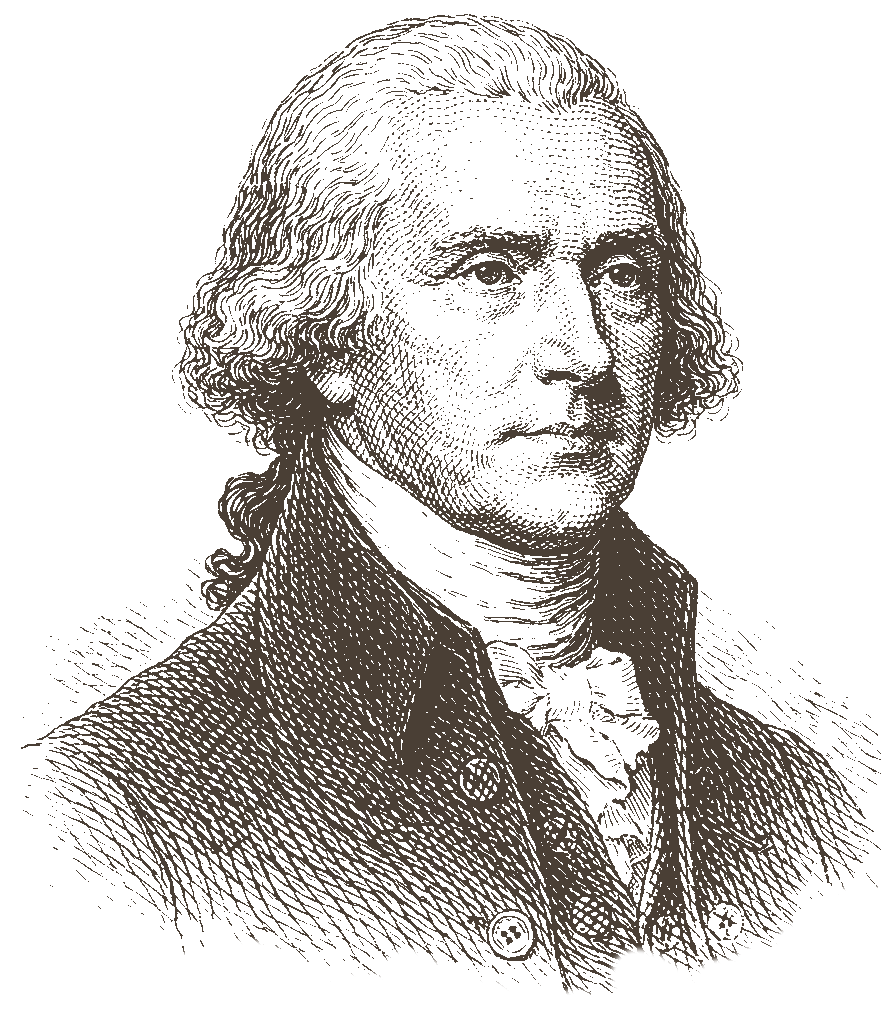
Thomas Jefferson
1743–1826
Jefferson’s genius was language—how he framed liberty, rights, and human dignity in words that still compel.
He carried a vision of a republic rooted in ordinary citizens, broad landownership, and suspicion of concentrated power.
He often read the world as a contest between local life and distant authority.
As President, he is inseparable from paradox: the champion of liberty who enslaved people; the advocate of limited government who made expansive choices when he thought the nation’s future required it. He believed the republic needed room—literal room, in territory and imagination—and that belief shaped the country’s direction.
Jefferson is useful at the circle not as a monument, but as a question: how do ideals survive contact with appetite, fear, ambition, and time? In civic life, his legacy can inspire both courage and caution.
As President, he is inseparable from paradox: the champion of liberty who enslaved people; the advocate of limited government who made expansive choices when he thought the nation’s future required it. He believed the republic needed room—literal room, in territory and imagination—and that belief shaped the country’s direction.
Jefferson is useful at the circle not as a monument, but as a question: how do ideals survive contact with appetite, fear, ambition, and time? In civic life, his legacy can inspire both courage and caution.
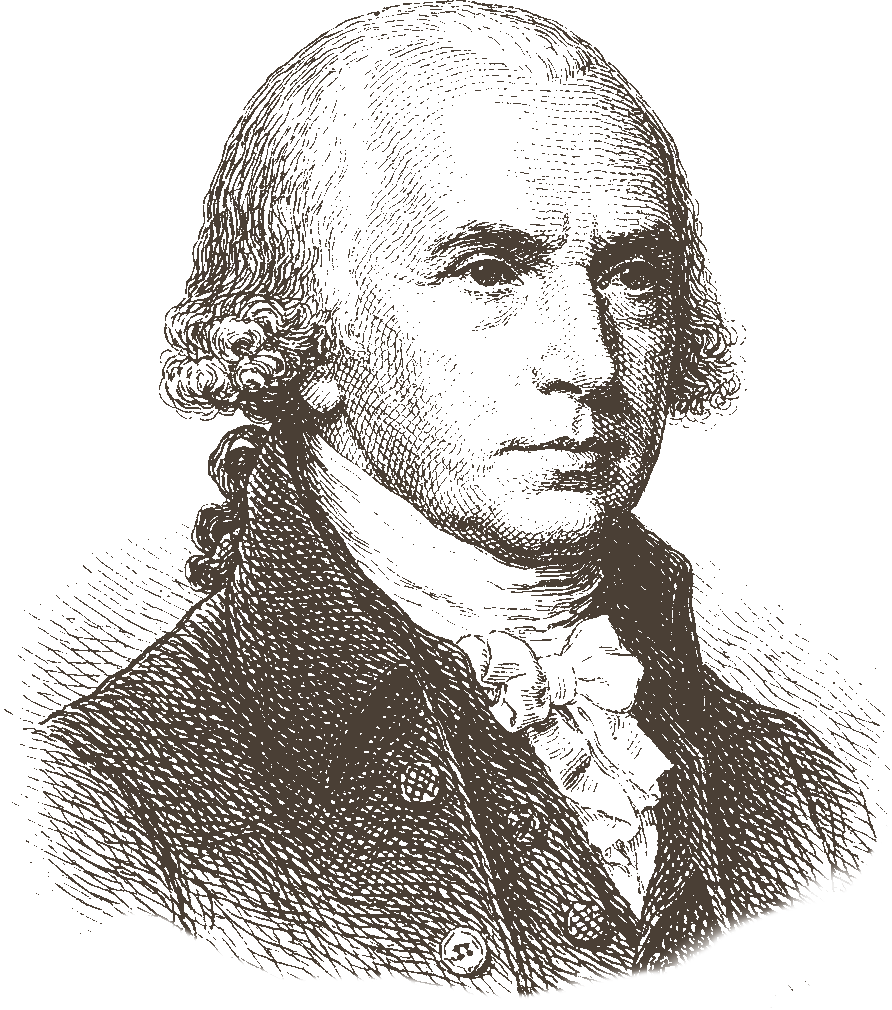
James Madison
1751–1836
Madison was the careful engineer of the group—the one most concerned with how a free society keeps working after the speeches end.
He studied faction, incentives, and the problem of power: not power as an enemy, but power as a permanent element that must be designed, checked, and balanced.
His work on the Constitution and the Bill of Rights reflects a rare combination: practical structure paired with real attention to liberty. Madison understood that freedom is not only a feeling; it’s a set of arrangements that prevent domination—by rulers, by mobs, by money, by habit.
He also changed over time. Early alliances, later disagreements, shifting threats—Madison’s record reminds us that political integrity can include evolution, not just consistency. At the courthouse circle, Madison can stand for a civic discipline that feels almost invisible: the architecture of fairness, the quiet mechanics that make disagreement survivable.
His work on the Constitution and the Bill of Rights reflects a rare combination: practical structure paired with real attention to liberty. Madison understood that freedom is not only a feeling; it’s a set of arrangements that prevent domination—by rulers, by mobs, by money, by habit.
He also changed over time. Early alliances, later disagreements, shifting threats—Madison’s record reminds us that political integrity can include evolution, not just consistency. At the courthouse circle, Madison can stand for a civic discipline that feels almost invisible: the architecture of fairness, the quiet mechanics that make disagreement survivable.
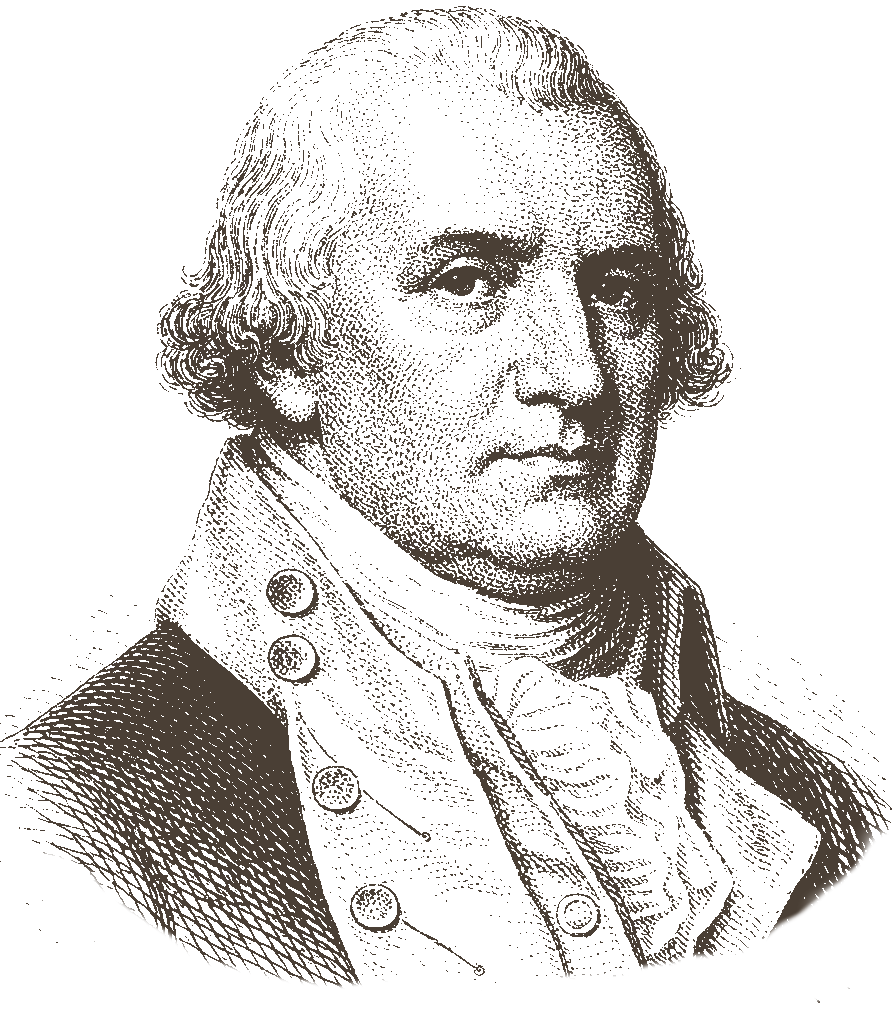
Charles Cotesworth Pinckney
1746–1825
Pinckney brings a slightly different accent to the circle: South Carolina, diplomacy, military service, and a strong Federalist faith in national coherence.
He believed the young United States needed steadiness—credible institutions, prepared defense, and an ability to act with unity in a dangerous world.
He is often recalled through diplomacy and honor under pressure, and through the political contests that defined the era’s party divide. Pinckney’s presence alongside Washington, Jefferson, and Madison helps clarify that the founding period wasn’t a single ideology—it was a live argument about what kind of nation could endure.
Like the others, he was shaped by his time, including slavery and inherited hierarchy. Holding him in the circle doesn’t require endorsement. It invites a harder kind of attention: what does “order” protect—and what can it silence? What does unity cost, and what does disunion cost?
He is often recalled through diplomacy and honor under pressure, and through the political contests that defined the era’s party divide. Pinckney’s presence alongside Washington, Jefferson, and Madison helps clarify that the founding period wasn’t a single ideology—it was a live argument about what kind of nation could endure.
Like the others, he was shaped by his time, including slavery and inherited hierarchy. Holding him in the circle doesn’t require endorsement. It invites a harder kind of attention: what does “order” protect—and what can it silence? What does unity cost, and what does disunion cost?
Closing note
Taken together, these four names suggest something unexpectedly modern: a civic center can be a container for differences—a place where people with competing values still share streets, laws, and daily life.
The question for us is not whether we agree with them. The question is whether we can practice the same civic skill:
to argue without contempt, and to build without erasing one another.
Return: The Courthouse Circle
This companion note keeps the portraits from “filling in the margin” on the walk itself.
The walk can remain spacious; the biographies can live here—quietly adjacent—ready when someone wants a longer look.